


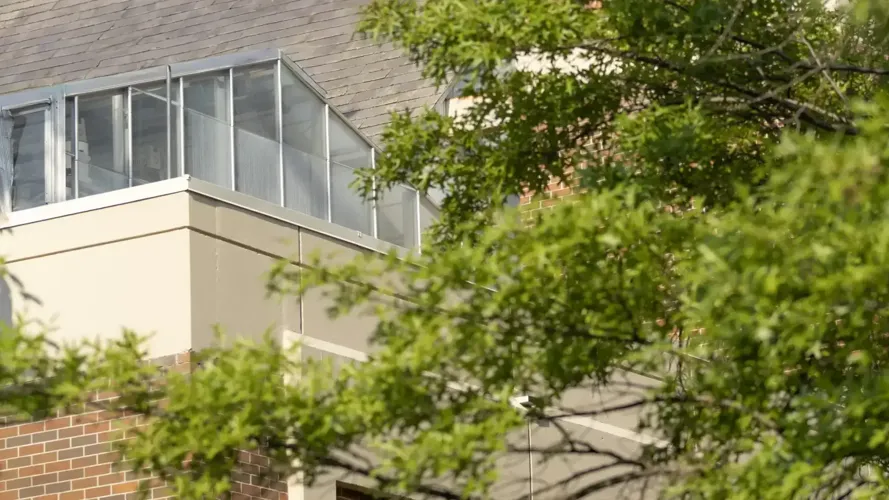
Erik Luvaas believes the new greenhouse-based pilot program he helped launch will transform lives while showing local employers that hiring people with developmental disabilities is not only the right thing to do, but also good business.
Luvaas is the director of interdisciplinary training at the Center on Disabilities and Human Development (CDHD), Idaho’s University Center for Excellence in Developmental Disabilities, operated within the College of Education, Health and Human Sciences (EHHS).
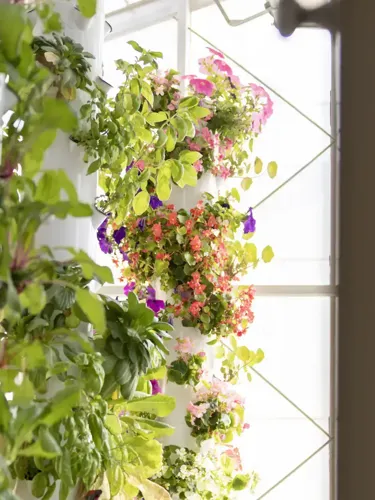
In fall 2026, CDHD will start Vandal Hydroponics for Accessibility, Resources, Vocational Equity, Sustainability and Training (HARVEST), a program designed to produce fresh food and ornamental plants while demonstrating how businesses can profit by employing people with and without disabilities in an integrated workforce and paying all workers competitive wages. University of Idaho students will serve as peer coaches, helping Vandal HARVEST employees with disabilities develop plant propagation skills and take on increasingly advanced responsibilities.
People are also reading…
Beyond workforce development, Vandal HARVEST will address a community need by producing high-quality, locally grown produce year-round.
“There’s a big push for competitive integrated employment,” said Luvaas, who is also a clinical assistant professor in the Department of Movement Sciences within EHHS.
Inspired by a documentary
Luvaas recalls the day in fall 2024 when two CDHD undergraduate trainees involved in disability-focused research, Isabella Cox and Kincaid Moberly, visited his office and the Vandal HARVEST concept was born.
The students showed Luvaas a trailer for the documentary “Hearts of Glass” on a laptop. The documentary tells the story of Vertical Harvest in Jackson, Wyoming, a successful for-profit vertical farming enterprise that employs people with and without disabilities.
Cox and Moberly had experience with hydroponic food production on a much smaller scale, having helped CDHD raise greens and herbs for its healthy cooking program using a makeshift hydroponic system.
The trailer made a strong impression, leading the three of them to imagine the possibilities of a larger, more impactful campus-based hydroponic project.
Cox and Moberly vowed to bring the film to campus and share its message with the community. Toward that goal, they organized a group of student volunteers who ultimately hosted a screening at Moscow’s Kenworthy Theater in April 2025. The film screening drew about 140 people and included a Zoom question-and-answer session with director Jennifer Tennican and two Vertical Harvest employees, including one with a disability.
“It’s been a tradition at the CDHD that when we have trainees who have ideas, we try to nurture them,” Luvaas said. “We’re preparing a future workforce to support people with disabilities.”


